Therapy services for every keiki
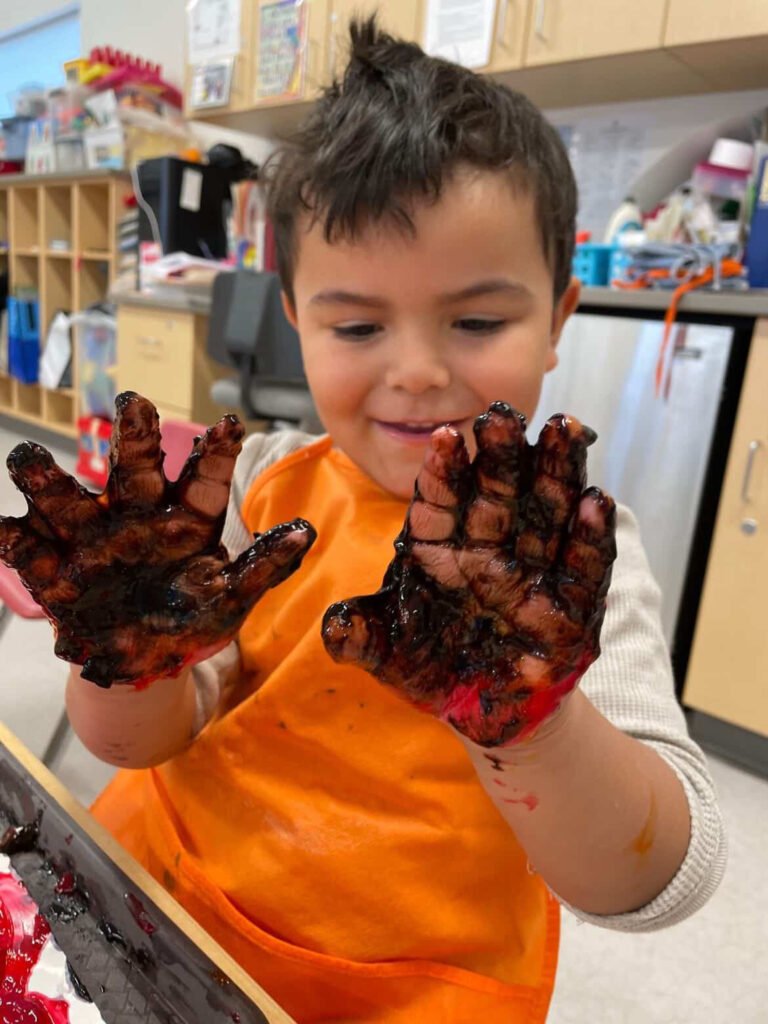
Sensory Integration
Jessica supports children in making sense of the sensory world by helping their nervous systems feel safe, organized, and regulated. Through movement, touch, sound, and body-based activities, she uses tools like swings, compression input, therapeutic listening, and vestibular integration to...
Jessica supports children in making sense of the sensory world by helping their nervous systems feel safe, organized, and regulated. Through movement, touch, sound, and body-based activities, she uses tools like swings, compression input, therapeutic listening, and vestibular integration to help children find balance and improve attention, behavior, and participation in daily life.
Sensory Integration is how the brain takes in, organizes, and responds to information from the body and the world around us — touch, movement, sound, sight, and internal body awareness — and turns it into meaningful, organized action. When this system is not working smoothly, children may feel overwhelmed, seek out intense input, withdraw, or struggle to stay regulated in everyday environments.
From an Aloha perspective, this work is about helping the nervous system feel safe, supported, and in balance — so a child can move through their world with more ease, connection, and joy. When a child is regulated, they are more available for learning, playing, relating to others, and expressing who they are with confidence.
Jessica supports children with sensory processing differences through evidence-based, child-led therapy that honors each child's unique rhythm and needs. Her sessions are designed to feel safe, playful, and grounded, while gently guiding the nervous system toward better organization and regulation.
She may use sensory-rich therapeutic tools such as platform and bolster swings to provide calming or alerting vestibular input, compression clothing for grounding deep pressure and body awareness, and carefully selected tactile strategies such as the Wilbarger Brushing Protocol when clinically appropriate. Jessica also incorporates Therapeutic Listening programs to support auditory processing and emotional regulation, along with structured vestibular integration activities that help build balance, coordination, and a more organized sense of body in space.
Through these approaches, Jessica helps children find their "just right" place — where their bodies feel calmer, more connected, and ready to engage. The goal is always the same: to support each child in feeling safe within themselves, supported in their environment, and free to grow in their own unique way.
In every session, the guiding spirit of Aloha is present — offering care, presence, respect, and connection as the foundation for growth. 
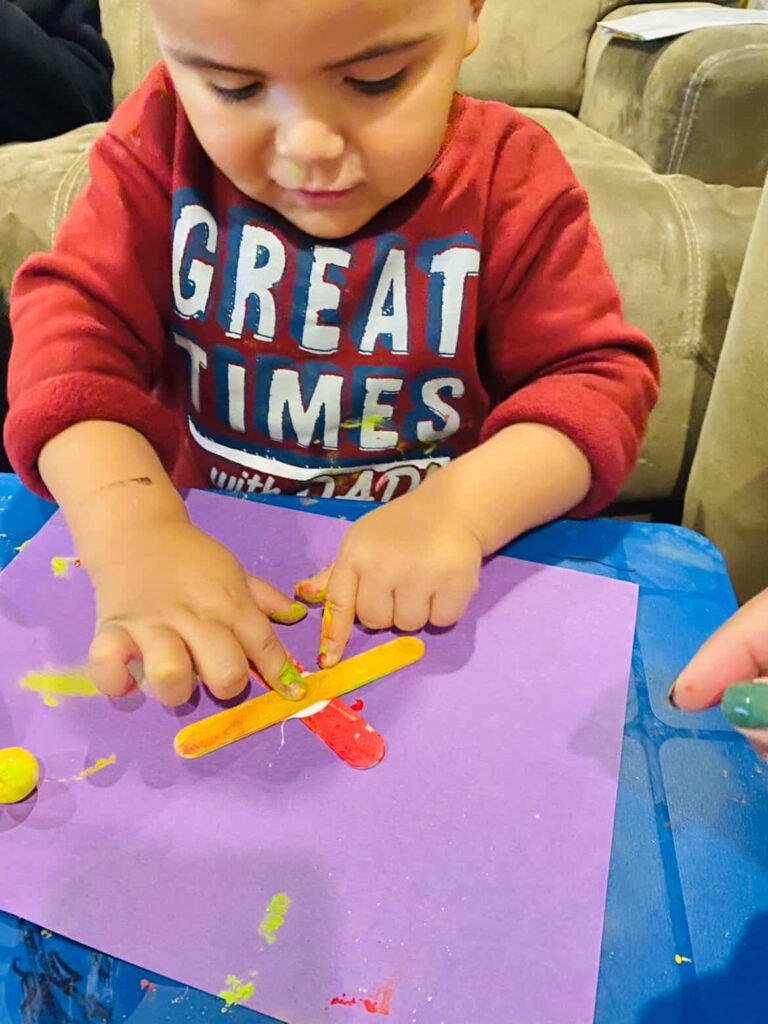
Fine Motor Skills
Jessica helps children develop strong, coordinated hands through playful and purposeful activities that build writing, cutting, and daily functional skills. She targets hand strength, visual-motor integration, dexterity, and in-hand manipulation, using tools like adaptive grips, environmental supports, and Handwriting Without...
Jessica helps children develop strong, coordinated hands through playful and purposeful activities that build writing, cutting, and daily functional skills. She targets hand strength, visual-motor integration, dexterity, and in-hand manipulation, using tools like adaptive grips, environmental supports, and Handwriting Without Tears concepts to build confidence and independence.
Fine motor skills are the small but powerful movements of the hands and fingers that allow children to write, draw, button clothing, use utensils, and complete many of the everyday tasks that support independence and confidence. These skills are built through a combination of hand strength, coordination, motor planning, visual processing, and practice within meaningful activities.
From an Aloha perspective, fine motor development is not just about skill acquisition — it is about helping children feel capable, confident, and successful in their daily lives. When children feel supported and successful, they are more willing to engage, explore, and persist through challenges.
Jessica supports fine motor development through purposeful play and targeted therapeutic activities designed to build foundational skills in a fun and motivating way. Her approach focuses on developing hand strength, precision, and coordination needed for functional tasks such as handwriting and self-care.
Intervention may include the use of pencil grips and adaptive tools to support proper grasp and reduce frustration, as well as workplace and classroom adaptations to promote success in school-based tasks. Jessica also targets hand-eye coordination, visual perception, manual dexterity, and in-hand manipulation skills — all essential building blocks for efficient and coordinated hand use.
She incorporates concepts from the Handwriting Without Tears program to support developmentally appropriate handwriting skills, focusing on readiness, formation, and functional writing fluency in a supportive and engaging way.
Across all fine motor work, Jessica blends skill-building with encouragement, play, and connection — helping children strengthen not only their hands, but also their confidence, independence, and sense of accomplishment, guided always by patience, encouragement, and Aloha.
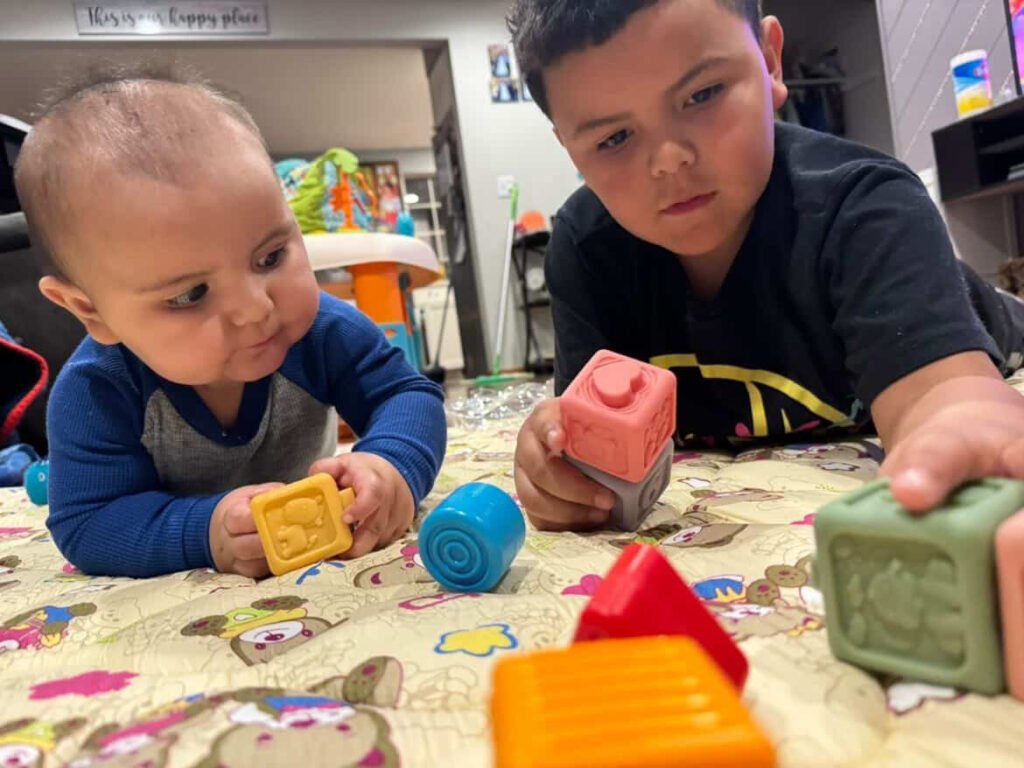
Play & Social Skills
Through play, Jessica helps children build connection, imagination, regulation, and social understanding. Using approaches like Reciprocal Imitation Training, Floortime principles, and Social Thinking frameworks, she guides children from imitation skills into pretend play, peer interaction, and group participation that supports...
Through play, Jessica helps children build connection, imagination, regulation, and social understanding. Using approaches like Reciprocal Imitation Training, Floortime principles, and Social Thinking frameworks, she guides children from imitation skills into pretend play, peer interaction, and group participation that supports lifelong social development.
Play is the language of childhood and one of the most powerful tools for growth, connection, and healing. Through play, children learn to communicate, regulate emotions, build imagination, and connect with others in meaningful ways. From an Aloha perspective, play is also about relationship — meeting each child with joy, curiosity, and presence while supporting their development in a natural and engaging way.
Jessica uses play-based therapy as a core part of her occupational therapy approach to help children develop foundational social, emotional, and cognitive skills. She is certified in Reciprocal Imitation Training and incorporates elements of the DIR/Floortime approach to support connection, engagement, and shared attention.
A key part of development through play is learning to imitate. Children first learn to observe, then copy actions, and eventually expand into more complex forms of play such as pretend play and symbolic thinking. This developmental sequence is essential, as imitation skills not only support play and imagination, but also carry over into daily life skills such as dressing, grooming, and other activities of daily living (ADLs), where step-by-step learning and copying routines are essential for independence.
As children progress in their play skills, they also develop the ability to engage with others, which is foundational for later group participation, teamwork, and classroom learning. Learning to play with others supports turn-taking, flexibility, problem-solving, and emotional regulation within shared spaces.
For social-emotional learning, Jessica integrates evidence-based concepts from the Social Thinking® curriculum, including We Thinkers, Social Detective, We Solved It, and Superflex. These frameworks help children build awareness of themselves and others, understand social expectations, develop flexible thinking, and strengthen problem-solving skills in everyday interactions.
Across all play and social development work, Jessica's approach is rooted in connection, engagement, and joy. Through structured yet playful experiences, she helps children build the skills they need not only to play, but to connect, communicate, and thrive — guided always by growth, respect, and Aloha.
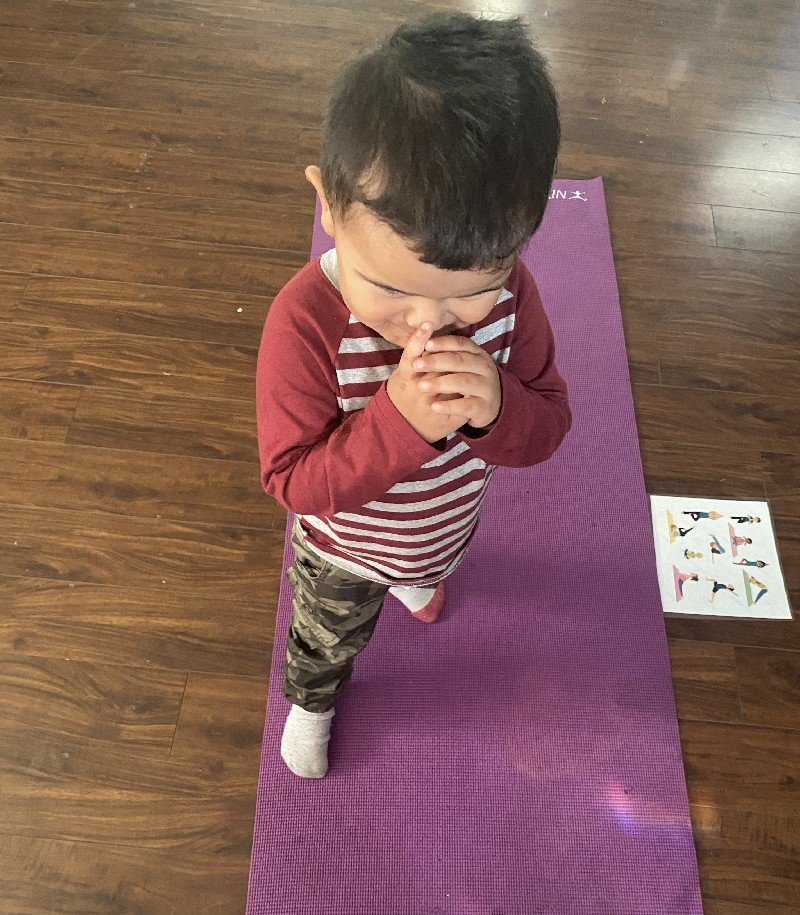
Gross Motor Skills
Jessica supports gross motor development through engaging, play-based occupational therapy designed to build foundational movement skills in meaningful and motivating ways. Her approach emphasizes strength, coordination, balance, and motor planning to support participation in playground activities, sports, classroom transitions, and...
Jessica supports gross motor development through engaging, play-based occupational therapy designed to build foundational movement skills in meaningful and motivating ways. Her approach emphasizes strength, coordination, balance, and motor planning to support participation in playground activities, sports, classroom transitions, and daily functional mobility.
Gross motor skills are the large, powerful movements that involve the arms, legs, core, and whole body. These skills allow children to run, jump, climb, balance, navigate their environment, and participate in play, sports, and daily routines with confidence and coordination. Gross motor development is supported by strength, postural control, balance, motor planning, bilateral coordination, and body awareness, all working together to create smooth and efficient movement.
From an Aloha perspective, gross motor development is about more than physical ability — it is about helping children feel strong in their bodies, confident in movement, and safe as they explore the world around them. When children experience success through movement, they build resilience, self-esteem, and a greater willingness to engage in active play and social participation.
Jessica supports gross motor development through engaging, play-based, and individualized occupational therapy interventions designed to build foundational movement skills in meaningful and motivating ways. Her approach emphasizes strength, coordination, balance, and motor planning to support participation in playground activities, sports, classroom transitions, and daily functional mobility.
Intervention may include activities that target core strength, postural stability, and endurance, as well as balance tasks, obstacle courses, and bilateral coordination exercises to improve overall body control. Jessica also incorporates motor planning activities to help children sequence and execute movements more efficiently and confidently across environments.
In addition, she integrates sensory-based movement activities when appropriate to support regulation, body awareness, and improved attention during physical tasks. Environmental modifications and supportive strategies may also be used to help children participate more successfully in school and community settings.
Across all gross motor work, Jessica blends structured skill-building with encouragement, play, and connection — helping children strengthen not only their bodies, but also their confidence, independence, and joy in movement, guided always by patience, encouragement, and Aloha.
School Readiness
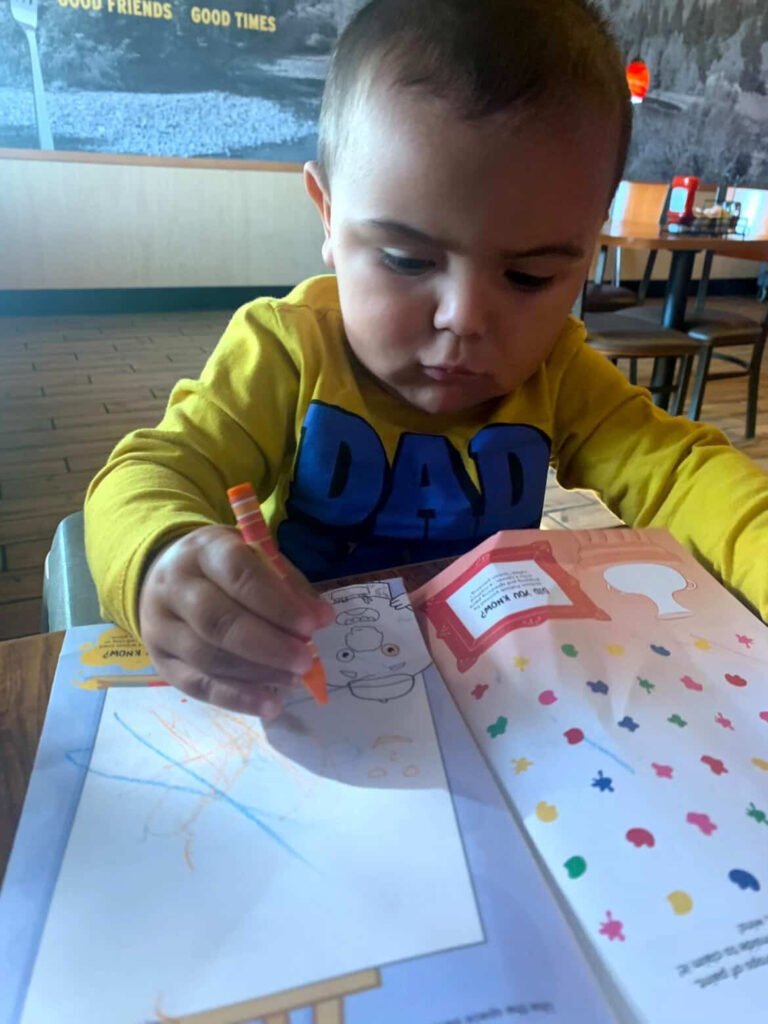
School readiness focuses on preparing children for success in the classroom through attention, handwriting, executive functioning, and social participation. Jessica integrates fine motor skills, play-based learning, imitation, and regulation strategies to help children follow routines, engage in group settings, and...
School readiness focuses on preparing children for success in the classroom through attention, handwriting, executive functioning, and social participation. Jessica integrates fine motor skills, play-based learning, imitation, and regulation strategies to help children follow routines, engage in group settings, and build confidence as learners.
School readiness is about more than academics — it is about preparing a child's body, brain, and emotional system to feel confident, capable, and connected in a classroom environment. It includes the foundational skills needed for learning, such as attention, self-regulation, fine motor development, social participation, and the ability to follow routines and instructions.
From an Aloha perspective, school readiness is about nurturing confidence, curiosity, and connection so that each child can step into the learning environment feeling supported and successful.
Jessica supports school readiness by integrating multiple areas of development, including fine motor skills, play, social engagement, and executive functioning. Handwriting readiness and fluency are supported through targeted activities that build hand strength, coordination, visual-motor integration, and in-hand manipulation skills. Concepts from the Handwriting Without Tears program are often used to support developmentally appropriate writing skills, including letter formation, spacing, and motor planning in a structured yet playful way.
Attention and executive functioning skills are also a key focus, including the ability to follow multi-step directions, transition between tasks, organize materials, and sustain engagement in classroom activities. These skills are developed through structured routines, movement-based learning, and playful, meaningful activities that help children build flexibility and self-regulation.
Play and social development are also essential components of school readiness. Through imitation, turn-taking, and cooperative play, children develop the ability to participate in group settings, follow shared rules, and engage with peers. Early imitation skills — moving from copying actions to engaging in pretend play — also support learning in the classroom, as these foundational skills translate into the ability to follow models, routines, and instructional sequences.
Jessica also incorporates social-emotional learning concepts from the Social Thinking® curriculum, including We Thinkers, Social Detective, We Solved It, and Superflex — helping children build awareness of themselves and others, understand expected behaviors, develop flexible thinking, and strengthen problem-solving skills in social and academic environments.
Across all areas of school readiness, Jessica's approach is individualized, strengths-based, and supportive. She helps children build the underlying skills they need to participate fully in classroom life — whether that means holding a pencil, following a routine, sitting in a group, or connecting with peers — always guided by growth, encouragement, and Aloha.
Feeding Therapy
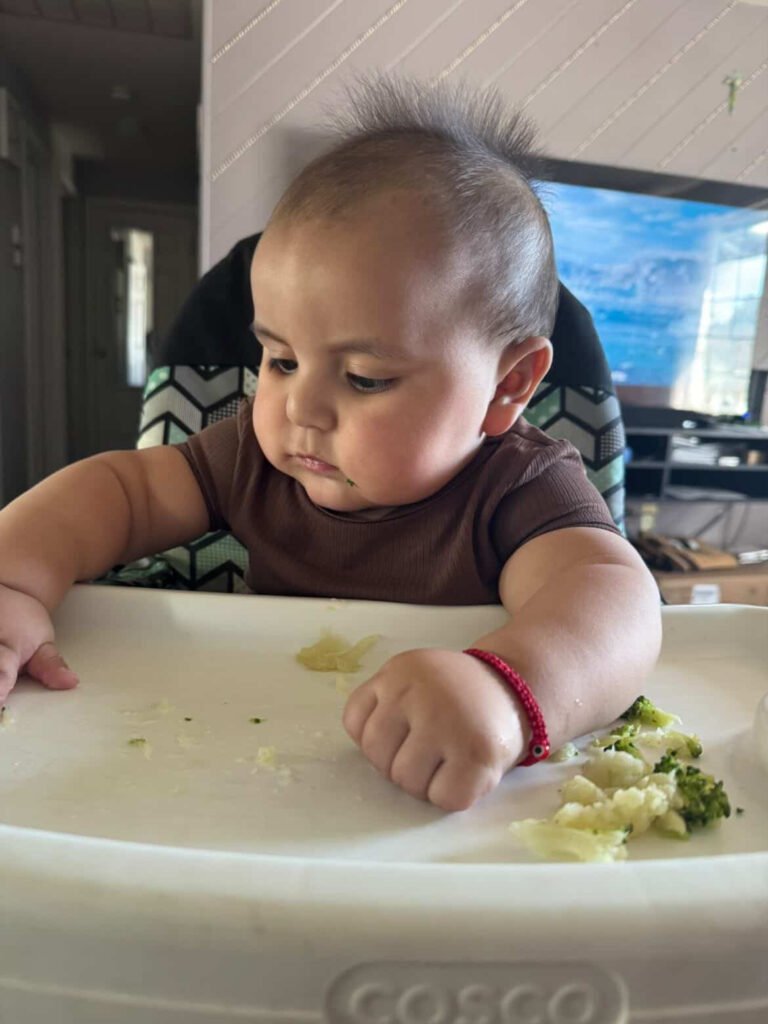
Feeding therapy with Jessica is centered on building safe, positive, and pressure-free experiences with food. She uses approaches such as food chaining, SOS-informed strategies, the Division of Responsibility, and playful exploration to support picky eating, oral motor differences, and sensory-based...
Feeding therapy with Jessica is centered on building safe, positive, and pressure-free experiences with food. She uses approaches such as food chaining, SOS-informed strategies, the Division of Responsibility, and playful exploration to support picky eating, oral motor differences, and sensory-based feeding challenges, always honoring each child's pace and comfort.
Feeding is more than nutrition — it is connection, development, sensory experience, and trust. From an Aloha perspective, mealtimes are an opportunity for relationship, safety, and exploration, where children are supported in building positive, pressure-free experiences with food at their own pace.
Feeding difficulties can arise for many reasons, and are often closely connected to sensory processing differences. A child's response to texture, smell, taste, temperature, and even the visual presentation of food can significantly impact their willingness and ability to eat. Oral motor differences, structural or muscular challenges, past feeding experiences, and emotional regulation all also play important roles in how a child engages with food and mealtimes.
Jessica takes an individualized, child-centered approach to feeding therapy, adapting strategies based on each child's unique needs and readiness. She may incorporate the "Try It" approach to gently encourage exploration without pressure, as well as the Division of Responsibility model to support healthy caregiver-child dynamics around mealtimes. Food chaining is used to gradually expand accepted foods by building on familiar preferences in a safe and structured way.
She also emphasizes active, hands-on engagement in meal preparation tasks, helping children build comfort, curiosity, and ownership around food. Concepts from the SOS (Sequential Oral Sensory) Approach are integrated to support a developmental and sensory-based pathway to feeding success.
Jessica is experienced in working with ARFID, picky eating, oral motor and structural differences, and the complex relationship between sensory processing and feeding behaviors. Her approach is grounded in safety, respect, and responsiveness to each child's nervous system and developmental stage.
Across all feeding work, the goal remains the same: to create positive, pressure-free experiences that help children feel safe with food, confident in their bodies, and connected during mealtimes — guided always by patience, respect, and Aloha.
Self-Care & ADLs
Self-care therapy focuses on helping children gain independence in dressing, hygiene, toileting, sleep routines, and daily organization. Jessica uses visual schedules, step-by-step sequencing, and sensory-informed strategies to support children in tolerating and mastering everyday routines in a way that feels...
Self-care therapy focuses on helping children gain independence in dressing, hygiene, toileting, sleep routines, and daily organization. Jessica uses visual schedules, step-by-step sequencing, and sensory-informed strategies to support children in tolerating and mastering everyday routines in a way that feels predictable, manageable, and successful.
Self-care is at the heart of independence. It includes the everyday activities — dressing, feeding, hygiene, grooming, sleep, and routines — that allow children to care for their bodies, participate in their environment, and grow in confidence and autonomy. From an Aloha perspective, these skills are nurtured with patience, respect, and encouragement, meeting each child where they are while supporting steady growth toward independence.
Many self-care tasks require more than just physical ability — they also require sequencing, planning, emotional regulation, and the ability to tolerate sensory experiences. Activities like bathing, hair brushing, toothbrushing, and dressing can feel overwhelming for children who experience sensory sensitivities or differences in body awareness. Jessica supports children in breaking these tasks into manageable steps, helping them learn sequencing while also building comfort with the sensory aspects of daily routines.
Intervention is individualized and often includes the use of visual schedules tailored to each child's needs, helping create predictability, reduce anxiety, and support independence in routines. These tools are especially helpful for transitions such as morning routines, bedtime routines, and school preparation.
Sleep routines are also an important area of focus, as restful sleep supports regulation, attention, behavior, and overall development. Jessica helps families build calming, consistent bedtime routines that support nervous system regulation and healthy sleep patterns.
Toileting is another key area of development. Jessica supports toileting programs for children experiencing incontinence or withholding behaviors, using structured, supportive, and pressure-free approaches that respect each child's readiness while building consistency, body awareness, and confidence.
In addition to basic self-care, Jessica also supports early instrumental activities of daily living (IADLs), such as simple meal preparation and early money concepts. These skills help children build a sense of responsibility, participation, and independence in everyday life in age-appropriate, meaningful ways.
Across all areas of self-care and independence, the goal is to empower children to feel capable in their own bodies and routines. With structure, support, and Aloha, Jessica helps children build the skills they need to care for themselves with growing confidence, pride, and independence.
Family Coaching
Family coaching is centered on partnership, empowerment, and honoring caregivers as essential members of a child's development. Jessica works alongside families to embed strategies into daily routines, supports caregiver participation in sessions, and includes the wider 'ohana system to ensure consistency, connection,...
Family coaching is centered on partnership, empowerment, and honoring caregivers as essential members of a child's development. Jessica works alongside families to embed strategies into daily routines, supports caregiver participation in sessions, and includes the wider 'ohana system to ensure consistency, connection, and shared progress across home and community environments.
Family coaching is a core part of Jessica's pediatric occupational therapy approach, rooted in the belief that caregivers are a child's first and most important teachers. Children learn and grow most meaningfully within their natural environments — at home, in daily routines, and through the relationships that shape their everyday world.
From an Aloha perspective, family coaching is centered on partnership, respect, and shared responsibility. In Hawaiian culture, Aloha reflects love, compassion, presence, and mutual care — values that guide Jessica's approach to working alongside families. Equally important is the concept of 'ohana, which extends the meaning of family far beyond blood relations. 'Ohana includes extended family, friends, neighbors, and community members, forming a deeply rooted support system where nobody is left behind. It reflects multigenerational unity, respect for kūpuna (elders), and the passing of values, knowledge, and care from one generation to the next. In this way, family is seen as a living, growing system — like the taro plant from which the word 'ohana is derived — meant to be nurtured, supported, and strengthened together.
Jessica integrates this philosophy by recognizing that a child's development is supported not just by individual caregivers, but by the entire care network surrounding them. She values the role of kūpuna as sources of wisdom and stability, the involvement of siblings and extended family members, and the importance of consistency and shared understanding across all caregivers involved in a child's life.
In practice, Jessica partners closely with families to translate therapeutic strategies into meaningful daily routines such as morning preparation, mealtimes, play, bedtime, and community participation. Rather than focusing only on what occurs in therapy sessions, she emphasizes how skills can be naturally embedded into everyday life so that progress feels functional, sustainable, and connected to the child's real-world environment.
Caregiver participation in sessions is strongly encouraged, allowing families to learn strategies in real time, ask questions, and build confidence through guided practice. Jessica provides modeling, coaching, and support so that caregivers feel empowered rather than overwhelmed as they integrate strategies into their routines.
Home programs are designed to be realistic, flexible, and responsive to each family's unique structure and capacity. The focus is not on perfection, but on consistency, connection, and meaningful progress over time. Jessica recognizes that each family system is different and adapts her approach to support what is achievable and sustainable within their daily lives.
Ultimately, family coaching is about collaboration, trust, and shared growth within the wider context of 'ohana. It is a partnership where therapists and families work together to support the child, strengthen the family system, and honor the interconnected nature of care. Guided by Aloha and the values of 'ohana, Jessica's approach centers on connection, respect, and the belief that children thrive when their entire support system grows together.